The five-minute room reset: desk, chair, and lamp
 RUTH WILLIAMS·5 min read·July 1, 2026
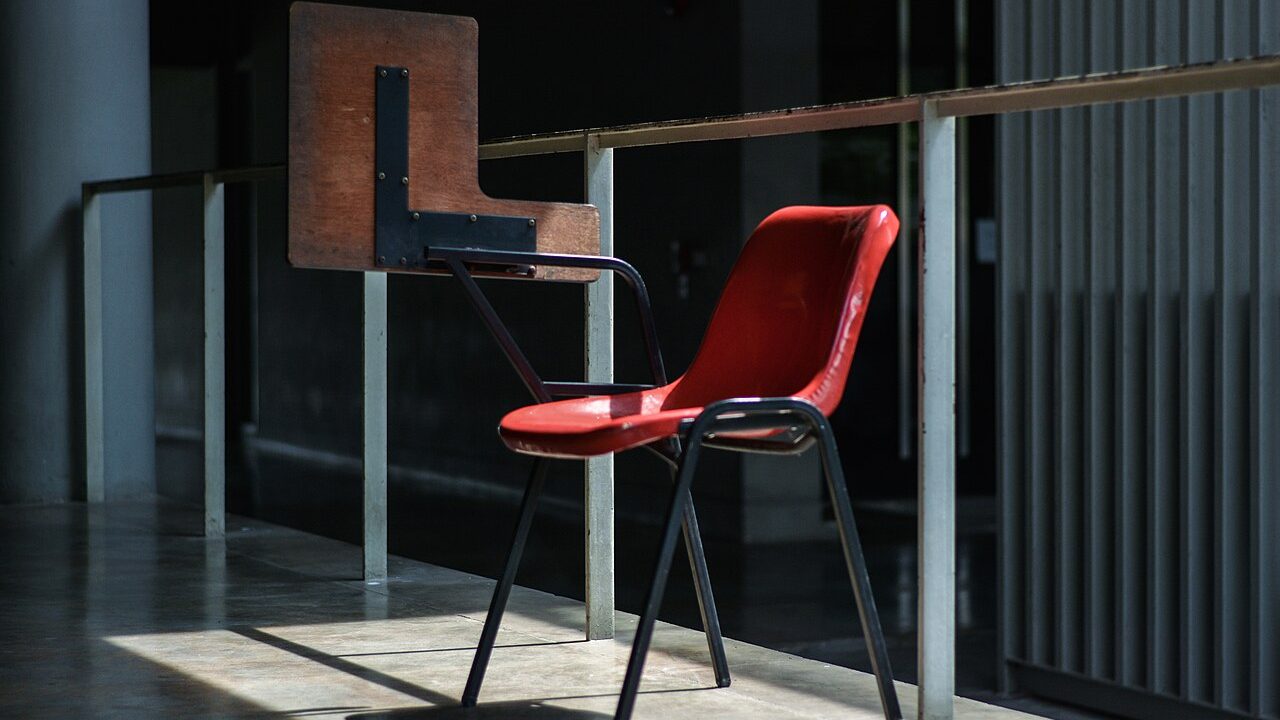
A room reset works when it touches three objects and stops. More than three and the reset becomes a cleaning job that gets postponed.
The three objects that set a room
Rowan’s spare room is 2.6 metres by 2.2 and holds a desk, a chair, a lamp, and a bed for guests. Only three of those decide what the room looks like.
The desk surface, the chair angle, and the lamp switch are the whole system. Everything else in the room is either fixed or invisible at a glance.
He found the three by photographing the room at seven each evening for a fortnight. The photographs showed the same three things wrong every time.
The desk surface, emptied not cleaned
The rule is that the surface ends the day empty, not clean. Empty means nothing on it; clean would mean wiping it, which is a different job.
Everything on the desk goes into one drawer, in one movement, without sorting. Sorting is what turns a five-minute reset into a twenty-minute task.
The drawer is shallow and holds a laptop, a notebook, and a pen. If something does not fit, it does not belong on the desk in the first place.
Why the chair angle matters
The chair is turned so that it faces the window rather than the desk. That single rotation is the clearest signal the room gives.
A chair pushed in under the desk looks tidy and still reads as ready. A chair facing away reads as finished, even to someone who has never worked there.
Rowan noticed the difference when a friend came in and asked whether he had finished for the day. It was half past six and he had.
The lamp switch instead of the ceiling light
The room has a ceiling light with one switch by the door and a desk lamp on the drawer unit. The reset uses the lamp and never the ceiling.
Ceiling light at seven makes the room look like an office at seven. Lamp light at seven makes it look like a room with a lamp in it.
This is the cheapest change in the whole setup and the one he resisted longest. He had assumed light level mattered more than light source.
Five minutes on a timer
He times the reset and it takes four minutes and ten seconds on a normal evening. The timer is there to stop him adding a fifth thing.
The first version included emptying the bin and closing the curtain, and it took eleven minutes. Eleven minutes is long enough to be postponed on a bad day.
Cutting to three actions was not about saving seven minutes. It was about making the reset small enough to survive a Tuesday.
What is allowed to stay
One object is allowed to remain on the desk: a small bowl that holds keys. It stays because it has no relationship to work.
Everything with a cable or a deadline leaves the surface. The distinction is not tidy against untidy; it is work against not-work.
That test is easier to apply at seven in the evening than a rule about neatness. Neatness asks for judgement; work asks for a yes or no.
The cable that undoes it
For months the reset was ruined by a charging cable left coiled on the desk. The desk was empty and the room still looked occupied.
He moved the cable to a clip under the desk edge, which took one screw. The fix cost two pounds and about ninety seconds of installation.
Cables are the part of a home office that never gets photographed and always gets seen. A single loop of black wire undoes an empty desk.
The night the reset was skipped
In February he worked until nine and went to bed without touching anything. The room was still a workplace when he came back at seven the next morning.
He expected to feel behind and instead felt vaguely accused by the furniture. The room had kept the previous day on display overnight, and he walked into it.
The reset did not need to be good that night, only to happen. Three actions at nine, done badly, would have been enough.
One object at a time
The order is fixed and it is not the order he would have chosen. Desk, then chair, then lamp, because the lamp is the one he forgets.
Doing them in the same order means the reset can run while his attention is elsewhere. A sequence is easier to keep than a list.
He also does them standing, which stops the reset becoming sitting down again. The whole thing is designed to avoid the chair until morning.
The guest who slept in the room
The room has a guest bed, and for two nights in April a friend used it. The reset had to work in reverse, which it did not.
The friend put a bag on the drawer unit and a phone on the desk, and the room stopped reading as an office. That was fine, because it was not one that week.
What broke was the third night, when the guest left and the bag stayed. Objects that belong to nobody in particular are the ones that linger.
What the reset does to sleep
Rowan’s sleep changed in a way he did not expect and cannot fully explain. He falls asleep about fifteen minutes faster on the nights he resets.
The plausible mechanism is that the room stops asking him questions. A desk with work on it is an unresolved task, and unresolved tasks are what bedtime thinking is made of.
He has no way to test that, and the effect is consistent enough that he stopped needing to. Fifteen minutes is worth four minutes of work.
Whether five minutes is honest
The reset takes four minutes and the setup around it took a year. Calling it a five-minute habit is accurate and slightly dishonest.
The year went into deciding which three objects mattered and which could be ignored. That decision cannot be borrowed from a list.
What can be borrowed is the shape: three objects, one order, one timer, no sorting. The objects themselves depend on what your room already has.
If the reset is four minutes of movement sitting on top of a year of deciding, which part would you rather start with?