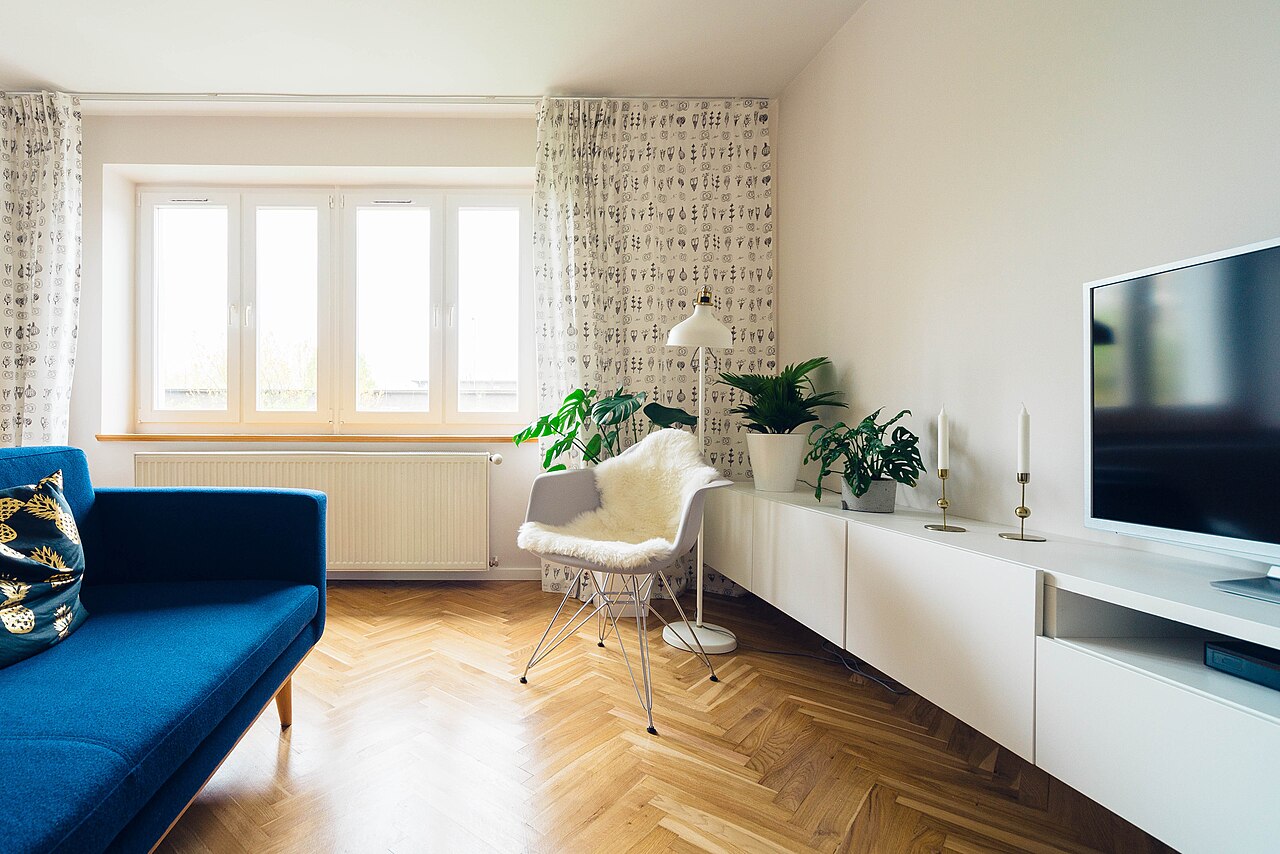
Remote work, measured
A home office built for the long haul
Desks, chairs, light and the quiet machinery of a working day at home. We test setups over months rather than unboxings, and write down what actually held up.
Friday letter
One short letter each Friday. Reply to unsubscribe.
Latest notes
Six most recent
The wall
Six frames from the archive
01
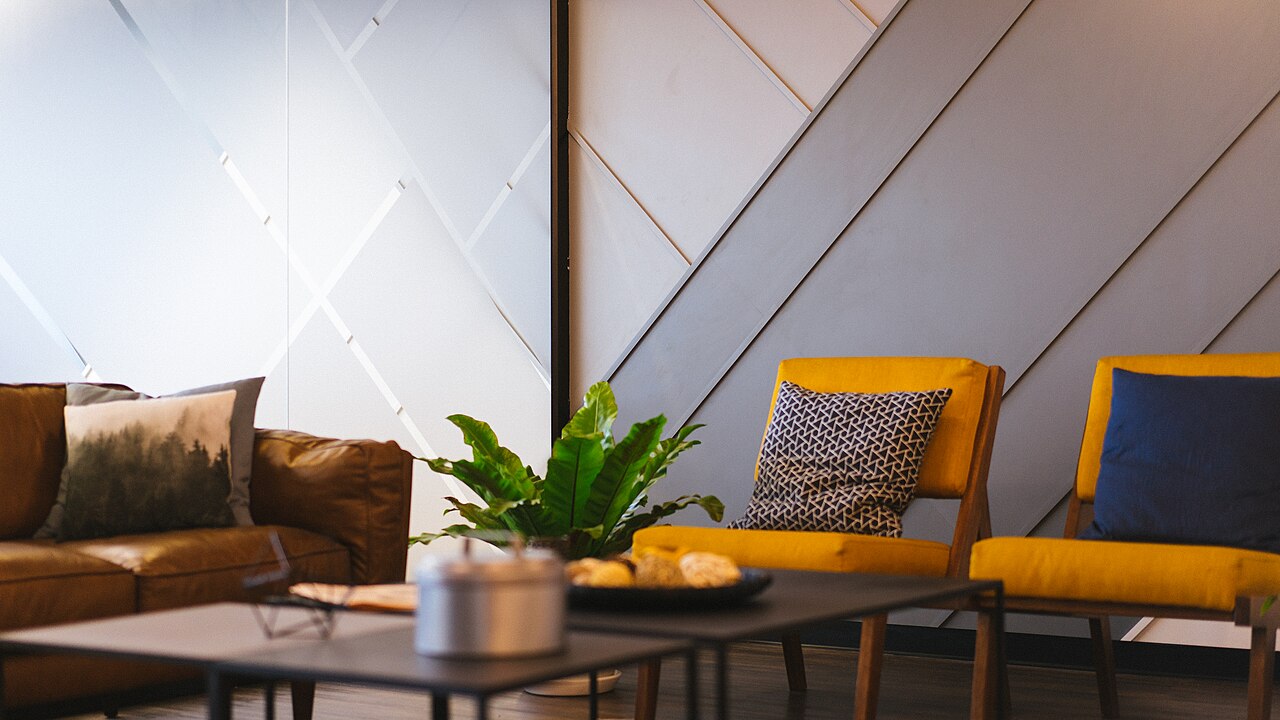 When team rituals stop scaling: which meetings to cut
02
 Hiding a router and its cables in a small
03
 Why standing up every twenty five minutes rarely lasts
04
 What a handover note must say so the next
05
 Why a 60 cm desk fails a small room
06
 Trust versus monitoring software: what you lose when you
Editor's picks
Worth your commute-free morning
Tags
Browse by subject
lighting6desk6documentation5small room4noise4async4timezones3eye strain3evening3video calls3monitor3standing desk2microphone2breaks2remote work2office chair2window2desk height2storage2neck pain2room acoustics2meetings2onboarding2laptop2boundaries1calls1shared office1team rituals1project board1audio interface1wifi1notifications1headphones1response time1footstool1shutdown ritual1
Questions we keep getting
Five, answered plainly
How much should a working home office really cost?
Most people overspend on the desk and underspend on the chair. A stable surface can be a door on two trestles; a chair that keeps your elbows at desk height for six hours cannot be improvised. Budget in that order and the rest of the room can wait.
Is a standing desk worth it for a small room?
It earns its footprint if you alternate rather than stand all day. The useful figure is the height range, not the motor: you want the surface to reach your bent-elbow height in shoes, and to drop low enough to sit without a footrest.
How do I stop video calls from sounding hollow?
Soft things behind the microphone matter more than the microphone itself. A curtain, a rug and a bookshelf break the first reflection; a cardioid microphone two hand-spans from your mouth then does the rest. Hard floors and bare walls defeat any gear.
What is the minimum lighting setup for video?
One soft source in front, slightly above eye level, and nothing bright behind you. A window works if it faces you rather than the camera, and a single diffused panel beats three bare bulbs because it widens the highlight instead of sharpening it.
How do I keep work from taking over the flat?
The physical boundary does more work than the schedule. A desk that faces away from the bed, a lamp that only turns on for work, and a five-minute shutdown ritual at the end of the day are cheaper than any productivity app and harder to ignore.