Six months on a laptop alone, costed in neck, wrist, and eye
 RUTH WILLIAMS·5 min read·August 12, 2026
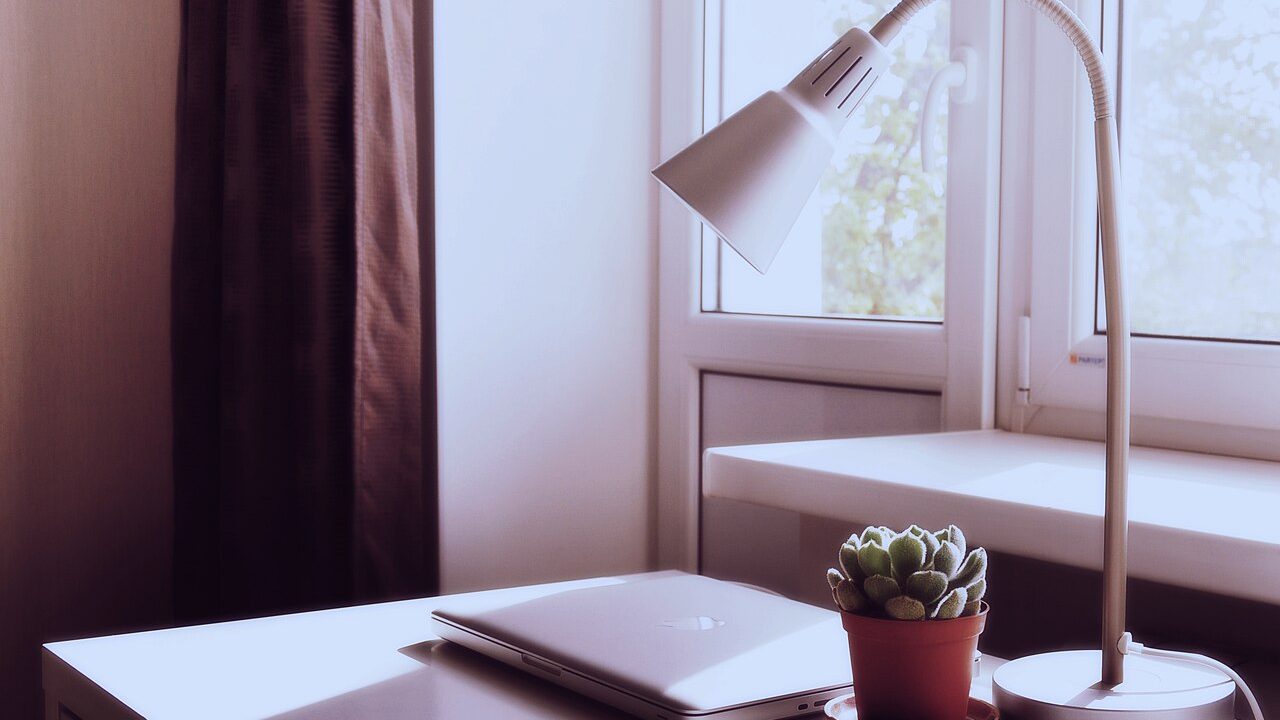
A laptop-only setup is usually a temporary arrangement that lasts long enough to bill you. Ines worked six months on a 13-inch machine and paid in three separate accounts.
Six months, one machine
Ines moved cities in February and left the monitor, keyboard, and stand in storage. For six months she worked on a 13-inch laptop at a kitchen table.
The arrangement was meant to be temporary, which is how most laptop-only setups begin. It ended in August with three separate complaints.
This is an attempt to price each one, rather than describe them as discomfort. The numbers are hers and the pattern is common.
The neck account
A laptop on a table puts the screen about 20 cm below eye level. Reading it means 20 to 25 degrees of neck flexion for most of the day.
At that angle the head’s effective load roughly doubles, from 5 kg to 10 or 12. Six hours a day for six months is a long exposure.
Ines’s first symptom was a headache at the base of the skull. It arrived at 2 pm and left when she lay flat on the floor.
The wrist account
The laptop keyboard sits at 3 to 4 cm above the table, which is lower than her elbow line. Her wrists extended upward to reach it.
The trackpad sits behind the keys, so the hand reaches forward and inward all day. That position loads the thumb and the outside of the forearm.
By April her right forearm ached whenever she lifted a kettle. By June the ache was there before she got out of bed.
The eye account
The screen sat at 40 cm, which is 25 cm closer than the recommended distance. The focusing muscle held that demand for eight hours a day.
Blink rate falls by roughly half during screen work, and a small screen makes it worse. Ines’s eyes were dry by the evening.
She bought drops in March and used them four times a day by July. That is a symptom management cost, not a fix.
What the first month hid
The first month produced nothing but mild stiffness, which she read as normal. Bodies adapt to bad positions for a while before they complain.
The adaptation is the reason laptop-only setups feel sustainable at the start. It is also why the damage accumulates without a warning.
Ines thought she had got away with it, because February and March were quiet. The bill arrived in April, which is typical.
The month three appointment
In April she saw a physiotherapist about the neck and paid for it herself. The session cost 65 pounds and the exercises took ten minutes a day.
The physiotherapist asked about her screen height before touching her neck. That one question did more than the massage did that day.
The advice was to raise the screen and separate the keyboard, which is the standard answer. Ines did half of it for another two months.
The cheap fixes that worked
A stack of books under the laptop raised the screen for nothing. A 30-pound keyboard from a supermarket fixed the wrist within a week.
The books were unstable and the keyboard was loud, and both worked. Neither required a decision about the flat or the job.
The total was 30 pounds and the effect on the wrist was immediate. The neck improved more slowly, because the screen was still too close.
The expensive fix that did not
In June she bought a 27-inch panel, which was the largest thing the table could hold. At 45 cm it was worse than the laptop had been.
A bigger screen at the same distance covers more of the visual field and demands more scanning. The distance was the problem, not the size.
She returned it after three weeks and bought a 22-inch panel instead. The smaller screen at 60 cm was the first real improvement.
The hours lost
The physiotherapy, the exercises, and the headaches cost her roughly two hours a week. Over six months that is about 50 hours in total.
The equipment that would have prevented most of it cost about 180 pounds. At her day rate those hours were worth twenty times the hardware.
This arithmetic is only visible afterwards, which is why it rarely changes a decision. The cost of the setup is paid in a currency you notice later.
What a proper setup would have cost in February
A stand, a keyboard, a mouse, and a 22-inch panel would have cost 180 pounds in February. It would have taken one afternoon to arrange.
The flat had no desk, which is the real reason she did not buy any of it. The table was 60 cm deep and shared with two other people.
The constraint was space rather than money, and the laptop was the compromise that fitted. That is a legitimate reason and it still cost her.
The habit that survived
The one habit she kept from the physiotherapist was an hourly look at the window. It survived because it needed no equipment.
The second was standing during every phone call, which happened four times a day. Both habits cost nothing and outlasted the laptop.
Neither addressed the neck angle directly, and both reduced the total exposure. Small reductions matter when the position itself cannot be fixed.
What six months cannot undo
The wrist settled within a month of the keyboard change. The neck took four months, and the dry eyes did not settle at all.
Ines still uses drops in the evening, eight months after the setup changed. Some of the cost is a standing charge rather than a one-off.
The laptop is still there and still gets used on the sofa, which restarts a smaller version of the same account every evening.
If a temporary setup is the one you use for six months, at what point does it stop being temporary and start being the setup?