Screen bar lights: eye strain relief or just decoration
 RUTH WILLIAMS·5 min read·August 8, 2026
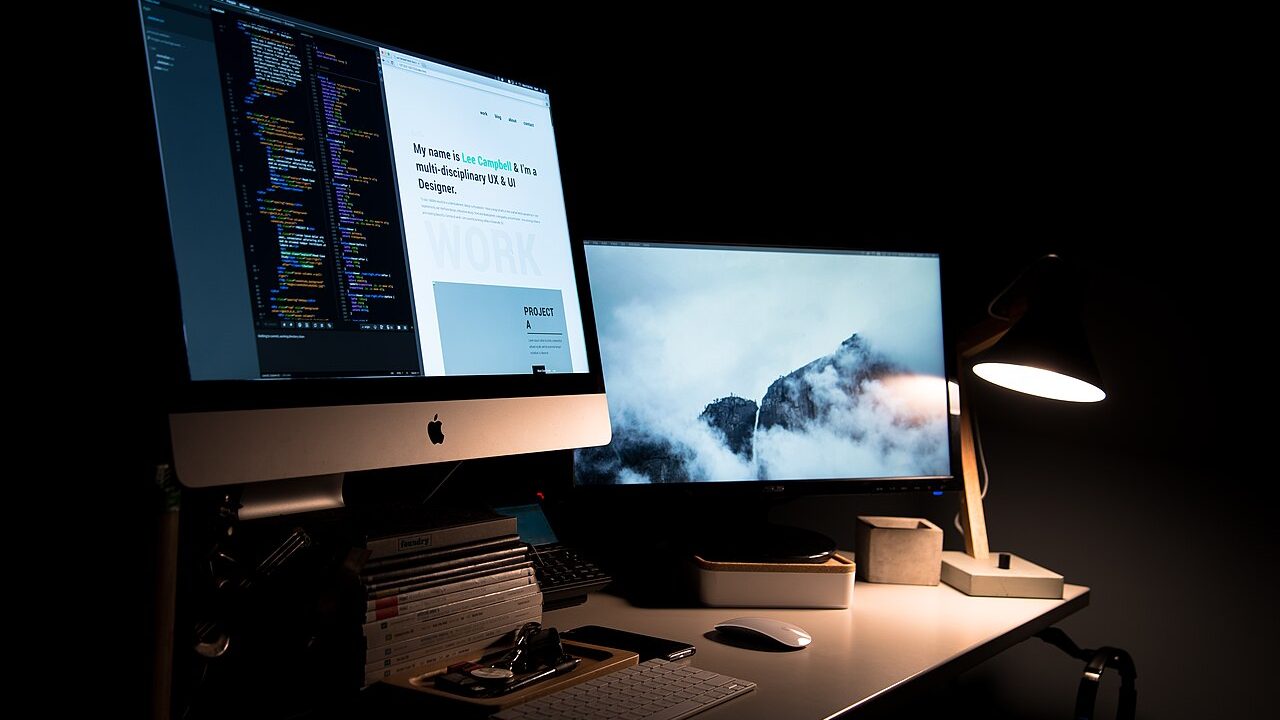
A screen bar is a glare control device, not an eye treatment, and it helps only if the desk is dark and the screen is matte. Most buyers expect the wrong thing.
The purchase and the promise
Owen bought a bar light after a month of evening work left his eyes aching by ten. The listing promised reduced strain and better focus.
He installed it above the monitor, where it lit the desk and not the screen. The first evening felt better, which he took as confirmation.
Two weeks later the ache returned on the nights he worked past nine. The bar had not changed, so something else was doing the work.
What the bar actually illuminates
The bar throws a wide, shallow band of light onto the desk from just above the screen. It lights paper, keyboard and hands, and very little else.
That band is exactly where the eyes look when reading a document. It is not where the wall or the ceiling is, so the room stays dark.
A dark room with one bright band is a high contrast environment. The eye adapts to the band and then struggles at the edges of it.
Why glare matters more than brightness
Discomfort in front of a screen usually comes from a bright source in the field of view, not from too little light. The eye is built for a wide range.
A bar positioned badly puts its own edge in view and becomes the glare it was meant to remove. The shield is the important part of the design.
Owen’s first position had the bar tilted forward, so he could see the strip. Tilting it back until the strip vanished was the actual fix.
The reflection on a glossy panel
A glossy screen reflects the bar as a bright smear across the top third. That reflection sits in the same place as the menu bars.
Owen’s monitor was matte, so he escaped the worst of it. A colleague with a glass panel found the bar unusable and returned it.
This is a compatibility issue that the listings rarely mention at all. The bar and the panel finish have to be considered as one decision.
The desk lamp comparison
A desk lamp on the left side lights the same paper and also lifts the wall behind the screen. It costs less and takes more space.
The lamp can also be aimed badly and reflect straight off the screen. Owen had done that with his old lamp and blamed the monitor.
The bar wins on space rather than on light quality. It occupies the strip above the screen, which was empty anyway in his setup.
What the eye needs at night
At night the eye needs a background luminance close to the screen’s, not a black field. A dim wall behind the monitor does more than a bright desk.
Owen added a low lamp behind the monitor aimed at the wall. The ache after nine o’clock reduced more than it had with the bar alone.
This is the part the bar cannot do, because it points down at the desk by design. A second small light is the missing half.
Colour temperature and the evening
Cool white light in the evening suppresses the body’s sense of time. A bar at 6500 K at ten at night is working against sleep.
Owen’s bar had a warm setting, which he ignored for a month because it looked yellow. He now uses it after eight and the difference is small but real.
Warm light also changes how the desk looks on camera, which matters if the calls run late. He turns the bar off during evening video.
The clamp and the monitor bezel
The clamp grips the top edge of the panel and relies on a thin bezel. On a monitor with a thick frame it sits forward and shadows the screen.
Owen’s monitor had a 12 mm bezel, close to the limit for the clamp. He added a strip of rubber to stop it tilting under its own weight.
A curved panel is worse still, because the clamp meets a sloping surface. Curved monitors and bar lights make a poor pairing overall.
When the bar helps and when it does not
It helps when the room is dark, the screen is matte and the work is paper-based. It does nothing for an already bright room.
It also does nothing for eye strain caused by not blinking or by a screen too close. Those are posture and habit problems, not lighting problems.
Owen’s ache came from both, which is why the bar only half worked. He raised the monitor by 6 cm and the improvement doubled.
The room lighting it cannot replace
A bar is a task light pretending to be room lighting, and the pretence holds until you look up. The ceiling and walls stay black.
In winter Owen works in a room with one ceiling bulb and the bar on. The contrast is lower than it was, and higher than it should be.
A floor lamp in the corner would have done more for the contrast than a second bar. The room, again, is the unit that matters.
What he kept
He kept the bar, because the desk is dark in the evening and it lights paper well. He stopped expecting it to fix his eyes.
The changes that mattered were the wall lamp, the raised monitor and a timer that tells him to stop. Two of those cost nothing.
The bar is now a small part of the setup and no longer the headline. That is the correct role for a task light.
How to test one before buying
Put any lamp above the screen at the same angle and see whether you can see the source. If you can, the bar will glare too.
Then check the panel finish by holding a phone torch at that angle. A visible reflection means the bar will smear across the screen.
Owen could have done both in five minutes with a desk lamp he already owned. He bought first and tested afterwards, which is the usual order.
If the light that helped him most sat behind the monitor, why does the one above the screen get all the attention?