Napping in a 15 square metre studio: what actually works
 RUTH WILLIAMS·5 min read·June 20, 2026
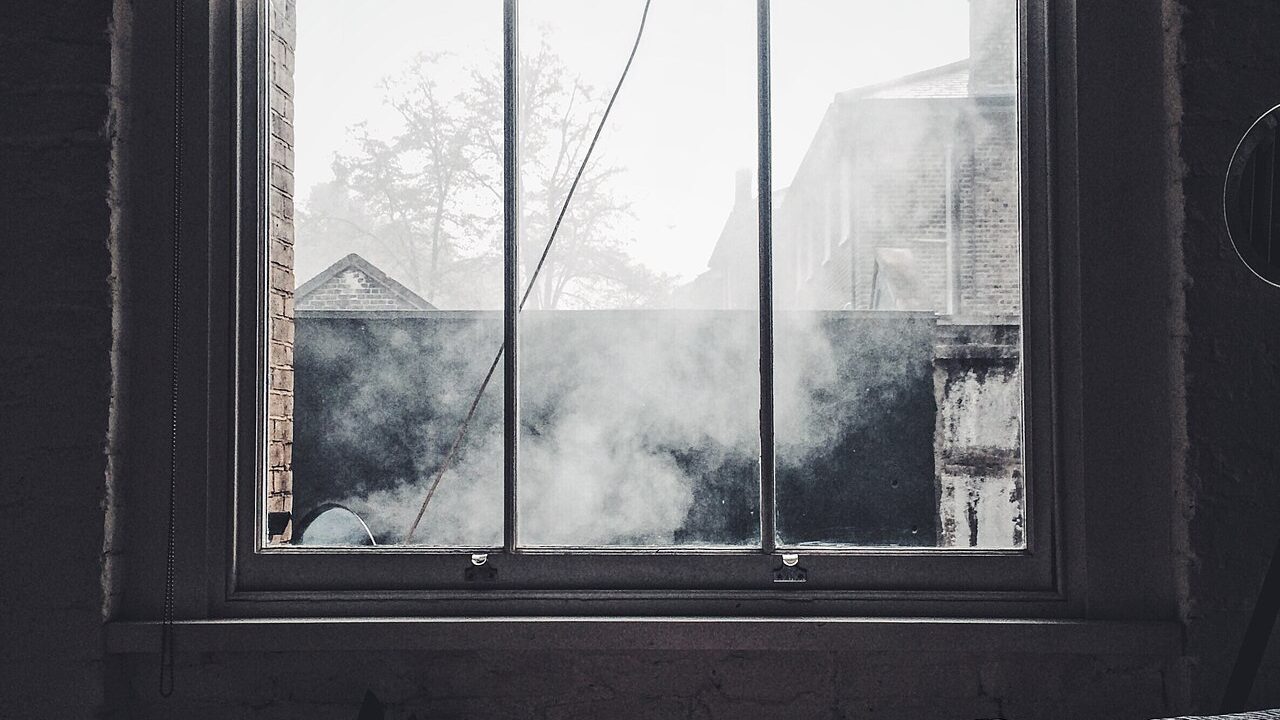
A nap in a fifteen square metre studio fails for a reason that has nothing to do with discipline. The room has nowhere to put the working day while you sleep.
The room with one chair
Lina’s flat is one room with a kitchen along one wall and a bed against the other. There is exactly one chair, and it is the desk chair.
That single chair is why her naps kept failing. Every horizontal option is either the bed or the floor, and both mean something.
She tried the floor for a week and woke with a shoulder that took three days to settle. The bed worked physically and failed in every other way.
Why the bed fails at two in the afternoon
The bed at two is the same bed as at midnight, and the body knows it. Falling asleep there in daylight blurs the line the evening depends on.
For two months she napped on the bed and then could not sleep at half past eleven. The nap was fine; the association was the problem.
In a studio, every object carries two jobs, so a bad association is expensive. The bed cannot afford to become the place where the working day is interrupted.
Twenty minutes, not ninety
She read that a full sleep cycle takes ninety minutes and tried to schedule one. In this room, ninety minutes is most of the afternoon.
Twenty minutes does not produce deep sleep, which is the point. It ends before the body goes far enough down to wake up groggy.
Her first attempt at twenty minutes felt like nothing happened. She was annoyed for a week, then noticed the afternoons were steadier than the mornings.
One window and a blind
The flat has one window, facing a car park, and it gets direct sun from eleven to two. Those are exactly the hours she wanted to sleep in.
The blind she already had was a thin roller that let most of the light through. She added a second layer of fabric on a tension rod inside the recess.
The room now goes properly dim at midday, which she had assumed was impossible without blackout curtains. Two layers cost her eleven pounds and no drilling.
Noise from the corridor
The building’s corridor carries every door and conversation, and the flat’s door is thin. At two in the afternoon the post arrives and the stairs get used.
She tried earplugs and disliked the pressure after ten minutes. What worked was a fan running on low, which gave the corridor noise something to compete with.
The fan also moves air in a room that has none, so it does two jobs. In a studio, anything that does two jobs earns its floor space.
The chair that leans back twelve degrees
Her desk chair reclines about twelve degrees, which is not a lounger. That angle is enough to take the weight off the lower back.
She puts a folded blanket behind her neck and sets the chair back. The setup looks like a bad office and functions as a bed that is not a bed.
The advantage is that the chair is already in the room for another reason. Nothing has to be unfolded, which removes the main reason she used to skip it.
The first four minutes
The hardest part of a short nap is the beginning, not the end. She spent months lying down and thinking about the afternoon’s tasks.
She now writes the next task on a card before lying down, which takes forty seconds. The card holds the thought so she does not have to keep it.
This is the same trick as closing the tabs at the end of a day, applied at midday. Writing it down is what allows her to stop holding it.
The alarm across the room
Her alarm sits on the kitchen counter, four steps from the chair. Getting up to silence it is the only part of the nap she cannot skip.
The first version was on the desk, within reach, and she silenced it without waking. Four steps is not much, and it is enough.
Standing up also marks the end, the way a turned chair marks the end of a working day. The body reads position faster than it reads a clock.
Why full sleep is the wrong target
The advice she found online assumed a bedroom, a door, and ninety free minutes. None of those exist here, so the advice was unusable.
The useful version is smaller and duller. Fifteen to twenty minutes, seated, in dim light, with the next task written down and an alarm out of reach.
It does not restore a bad night’s sleep, and it is not supposed to. It takes the edge off the two o’clock hour without borrowing from the evening.
The afternoon she skipped it
In March a deadline made the nap look like a luxury, so she worked through three afternoons. The work got done and the evenings got worse.
By the third evening she was answering messages at ten with no memory of the afternoon. Skipping the break did not add time; it moved the cost.
The deadline was real, and the twenty minutes would not have changed it. That is the test she now uses before cancelling anything.
What the room must look like at two
At two the blind is down, the fan is on, and the chair is pushed back from the desk. Nothing else changes, because nothing else can in this room.
That short list is the whole system and it took her a year to settle. Most of that year went on versions needing more space than she had.
The room at two looks like a room with the blinds down, which is what it is. It does not need to look like a bedroom to work.
Whether to nap at all
Some people cannot sleep in the day and should stop trying. Lina can, which is why the twenty minutes were worth a year of adjustment.
The alternative she considered was a walk at two, which also works and needs no blind. She chose the nap because the car park is not somewhere to walk.
The choice was made by the building, not by temperament. That is how most of these decisions get made in small flats.
If the only horizontal surface is the bed, is a twenty-minute nap in a chair really rest, or just a rehearsal for the evening?